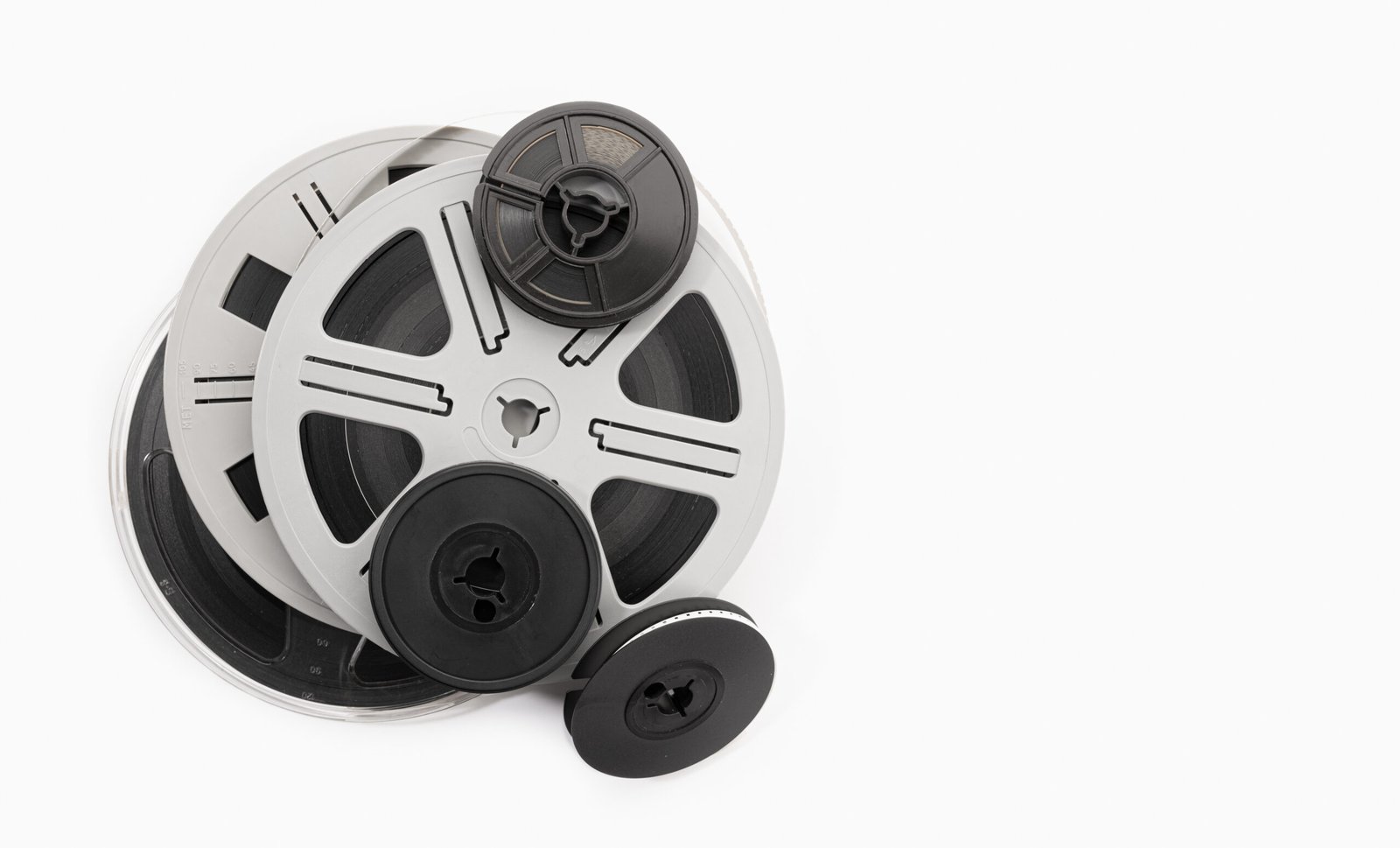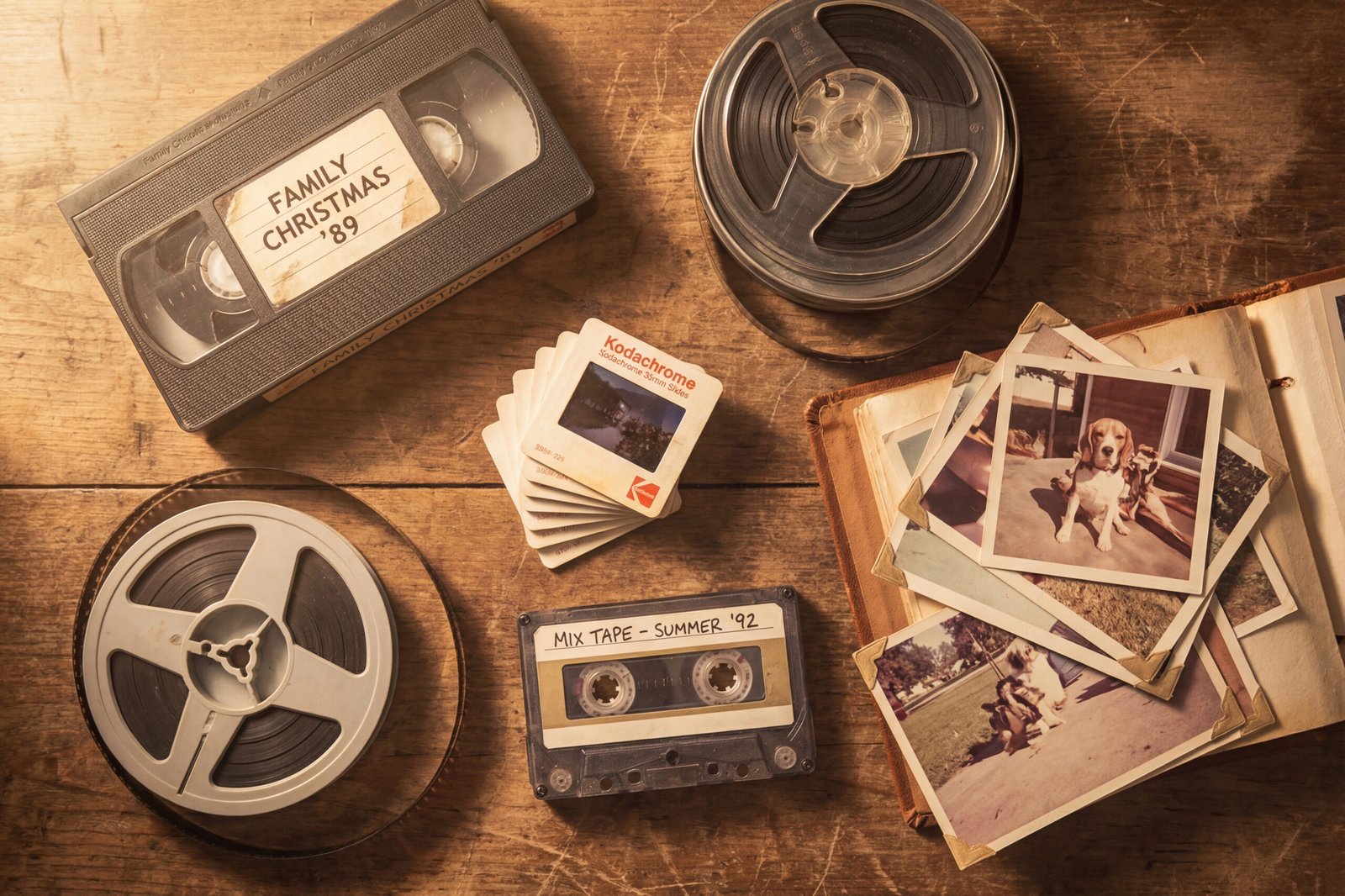
In closets, attics, and basements across the country, a priceless treasure lies waiting. It is a treasure trove of memories, captured on a dizzying array of now-obsolete media formats. From the grainy charm of 8mm film to the familiar hum of a VHS tape, these formats hold our family histories. But they are all in danger.
Time is not kind to analog media. Tapes degrade, film becomes brittle, and photos fade. The only way to ensure these memories survive for future generations is to digitize them. But where do you even begin? This guide will walk you through the most common consumer media formats and explain why the time to digitize them is now.
Videotapes: The Magnetic Media Meltdown
For decades, videotapes were the standard for home movies. Unfortunately, they are also one of the most fragile formats.
- VHS and VHS-C: The most common format, the classic VHS tape, and its smaller cousin, the VHS-C (which fit into an adapter), are made of a thin magnetic tape. This tape is susceptible to stretching, snapping, and a chemical breakdown of the binder that holds the magnetic particles to the plastic base. This leads to a sticky, gummy residue that can ruin both the tape and the player.
- 8mm, Hi8, and Digital8: These smaller cassette formats offered better quality than VHS but are made of the same fundamental magnetic tape. They are just as vulnerable to degradation, and the smaller tape size can make them even more delicate.
- MiniDV: One of the first digital formats for consumers, MiniDV tapes store data digitally on magnetic tape. While the signal is digital, the physical tape is still subject to stretching and degradation. Furthermore, finding working MiniDV cameras and players is becoming increasingly difficult.
The Risk: All magnetic tapes lose their magnetic signal over time, leading to color loss, static, and audio degradation. They are also highly susceptible to damage from heat, humidity, and mold. A 20-year-old videotape is well past its reliable lifespan.
Film Reels: A Fading Picture
Before video, there was film. These reels of celluloid captured some of the most iconic moments of the 20th century, from birthday parties to weddings.
- 8mm and Super 8: The most popular home movie formats, these small reels of film are made of a plastic base coated with a chemical emulsion that holds the image. Over time, this emulsion cracks, the colors fade, and the film itself can become brittle and shrink, making it impossible to play without causing further damage.
- 16mm: While less common for home use, some families have 16mm films. They face the same risks of color fading, brittleness, and a specific type of degradation known as “vinegar syndrome,” where the film base begins to break down, releasing a distinct vinegar-like odor.
The Risk: Film is a chemical-based medium. The colors will inevitably fade and shift, and the physical film itself will become too fragile to project. Every time you run an old film through a projector, you risk scratching or tearing it permanently.
Photos and Slides: The Slow Fade to White
Printed photos and slides are perhaps the most common form of family memory, but they are also quietly deteriorating.
- Photo Prints: Older color prints are particularly notorious for fading and color shifting. The dyes used in these prints are not stable and react to light, heat, and even acids in the photo album paper. They can also become stuck to glass frames or album pages.
- 35mm Slides: Slides were once prized for their vibrant colors, but those colors are fading. The dyes in slide film are just as unstable as those in photo prints. Slides are also prone to collecting dust, scratches, and mold, which can be very difficult to remove.
The Risk: The images are literally fading away. The vibrant colors of your childhood are turning magenta or washing out completely. Physical damage from poor storage can also lead to cracks, tears, and mold growth.
Audio Cassettes: The Sound of Silence
From mixtapes to recordings of a baby’s first words, audio cassettes hold a special kind of nostalgia.
- Standard Audio Cassettes and Microcassettes: Like videotapes, these use a magnetic tape to store sound. They suffer from the same risks of tape stretching, snapping, and binder degradation. The audio quality can become muffled, distorted, or lost entirely.
The Risk: The magnetic signal that holds the sound is weakening. The delicate tape can easily be stretched or tangled by an old player, and the pressure pads within the cassette can disintegrate, rendering it unplayable.
Your Path to Preservation
Seeing this list can feel overwhelming, but the solution is simple. A professional digitizing service can handle all of these formats and more. By converting your analog media to high-quality digital files, you are not just making a copy; you are liberating your memories from a decaying physical object. You are giving them a new, permanent life, ready to be shared and enjoyed for generations to come.
If you’re feeling overwhelmed by your collection of old media, we can help. Contact us at www.gillettedigitizing.com to learn how we can simplify the process for you.