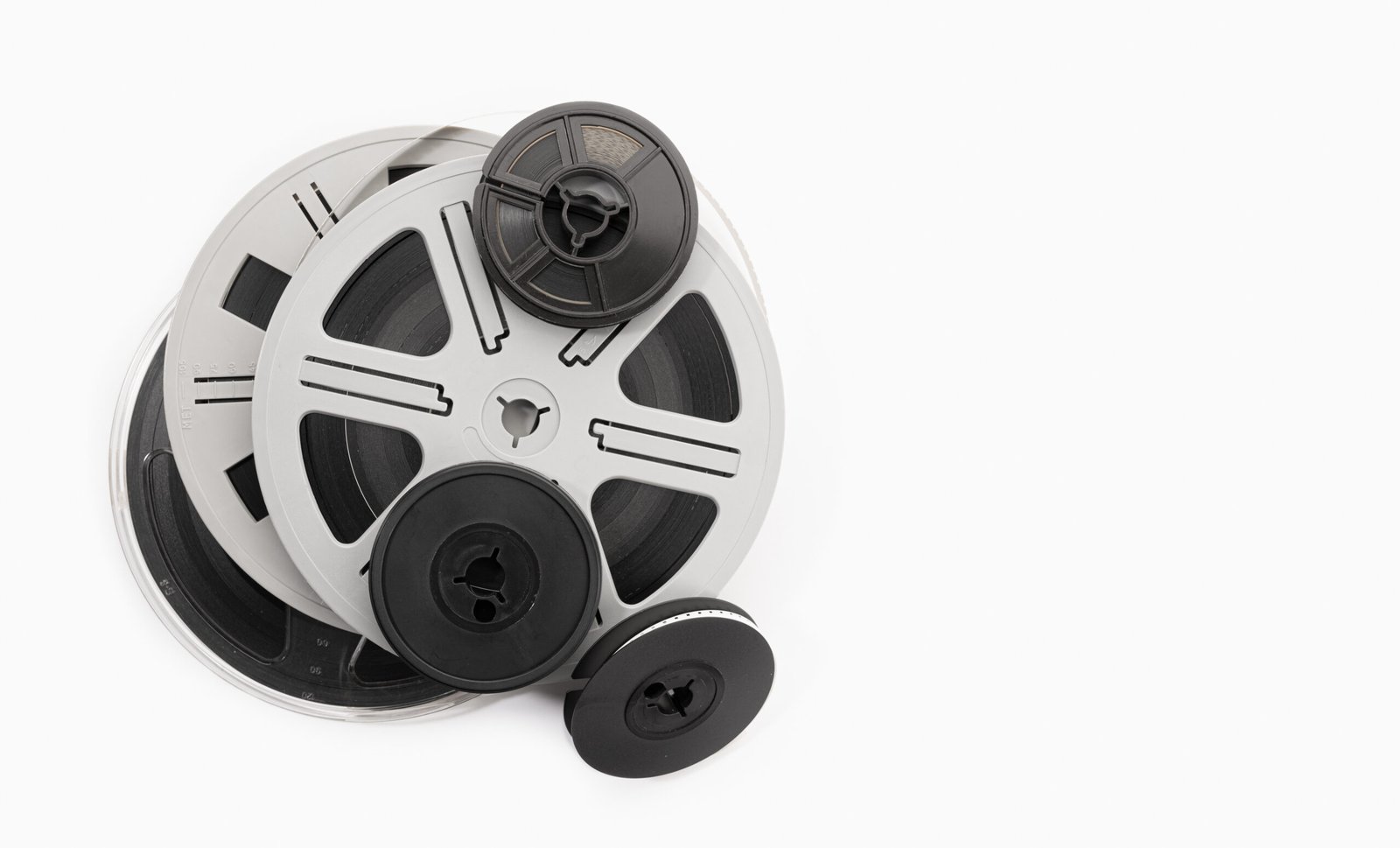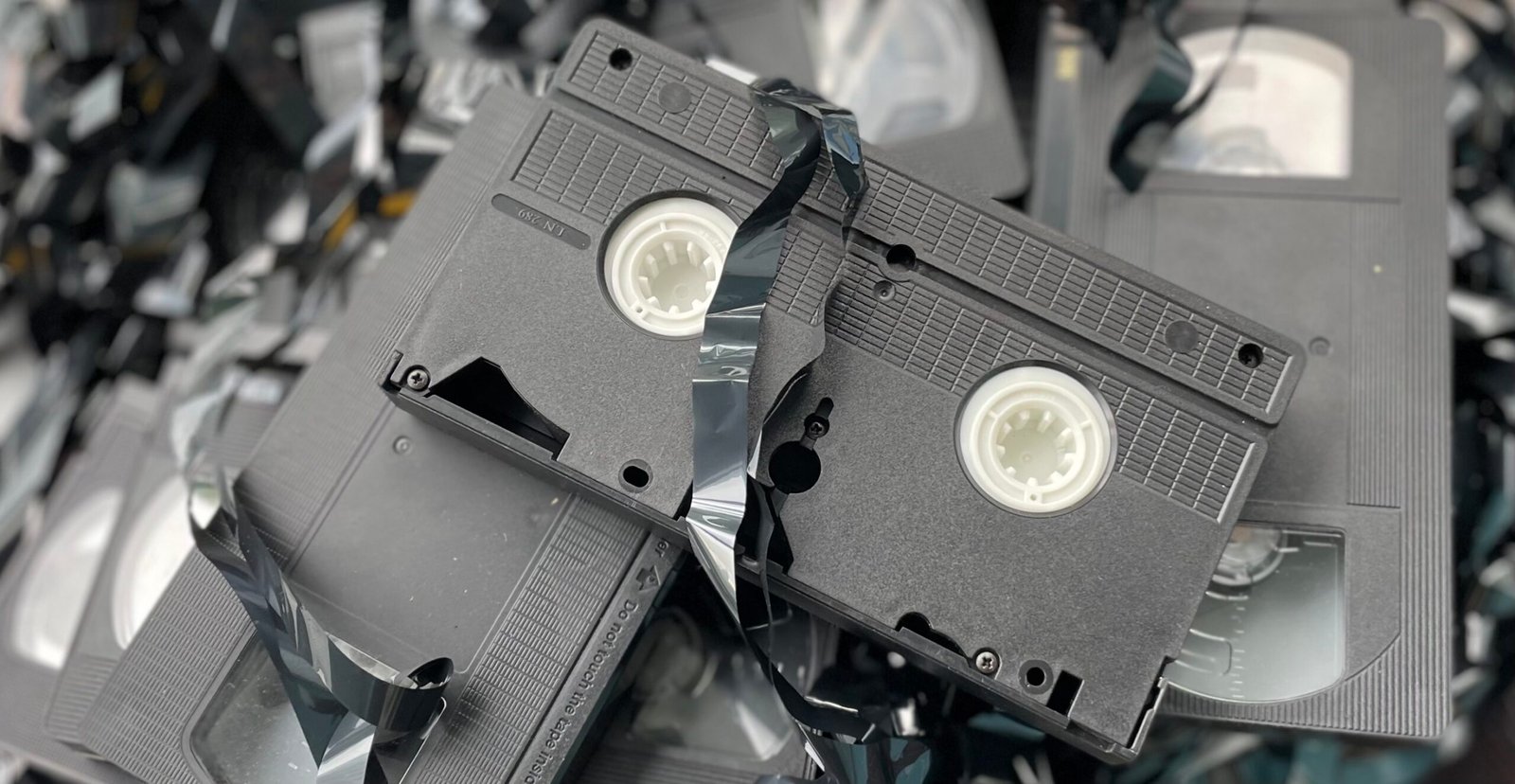
For anyone who grew up in the 80s or 90s, the VHS tape is an icon of an era. It is the format of Friday night movie rentals, of recording TV shows, and, most importantly, of our home movies. For years, these chunky plastic cassettes were the keepers of our most precious memories. Today, they are a ticking time bomb.
The physical nature of VHS tape, which once made it so revolutionary, is now its greatest liability. Every VHS tape in your collection is in a state of active decay, and if you wait too long to digitize them, the memories they hold could be lost forever.
The Enemy Within: Magnetic Tape Degradation
A VHS tape is a marvel of analog technology. It consists of a long, thin strip of plastic, coated with a layer of microscopic magnetic particles suspended in a chemical binder. A VCR reads and writes information by altering the magnetic charge of these particles. The problem is that this entire system is inherently unstable.
Here are the primary ways your VHS tapes are failing:
- Magnetic Field Loss: The magnetic charge on the tape that represents the picture and sound is not permanent. Over time, this charge naturally weakens. This results in a gradual loss of color vibrancy, increased video noise (that snowy, grainy look), and muffled or distorted audio. Your memories are literally fading away.
- Binder Hydrolysis (Sticky-Shed Syndrome): This is the most catastrophic form of tape failure. The chemical binder that holds the magnetic particles to the plastic base can absorb moisture from the air over time. This causes the binder to break down and become a sticky, gummy mess. When you try to play a tape suffering from this “sticky-shed syndrome,” the gummy binder can shed, sticking to the heads of the VCR, potentially damaging the player and ripping the magnetic layer right off the tape, destroying your recording.
- Physical Stretching and Snapping: The plastic base of the tape itself becomes more brittle with age. Old, poorly maintained VCRs can easily stretch or “eat” a tape, tangling it around the internal mechanism. A stretched tape will have distorted, wavy video and audio. A snapped tape is often impossible to repair without losing a portion of the recording.
The External Threats: Environment and Mold
Beyond its own internal weaknesses, VHS tapes are also highly vulnerable to their storage environment.
- Heat and Humidity: These are the biggest enemies of magnetic tape. They dramatically accelerate the process of binder hydrolysis and create the perfect breeding ground for mold.
- Mold: If you see white or black powdery spots on the tape reels, you have a mold problem. Mold feeds on the chemical binder of the tape, permanently destroying the recording layer. Attempting to play a moldy tape can release mold spores into your home and will contaminate your VCR.
Why Waiting is a Gamble
Many people believe that as long as they store their tapes in a box, they will be fine. This is simply not true. The chemical decay is happening regardless of use. Every year that passes, the quality of your tapes diminishes. A tape that was playable five years ago may be a sticky, unplayable mess today.
The technology to play these tapes is also disappearing. VCRs have not been manufactured in years, and finding a working, well-maintained player is becoming increasingly difficult and expensive. Soon, you may have the tapes but no way to play them.
There is only one way to stop the clock on this decay: digitization. By converting your VHS tapes to high-quality digital files, you are capturing the information they hold before it is lost. You are moving your memories from a fragile, decaying object to a stable, permanent format that can be copied and backed up without any loss of quality. Do not let the ticking time bomb in your closet claim your family’s history.
Don’t let the ticking time bomb in your closet claim your family’s history. Contact us today at www.gillettedigitizing.com to get a quote for your VHS collection.