It was a revolution. In the late 1990s, the world was introduced to the Digital Versatile Disc, or DVD, and it felt like magic. Compared to the clunky, fuzzy, and fragile VHS tape, the DVD was a marvel of modern technology. It offered crystal-clear digital picture and sound, instant chapter skipping, and, most alluringly, a promise of permanence.
We were told that DVDs would last forever. The word “digital” itself seemed to imply a kind of incorruptible perfection. Marketing materials and tech articles of the era touted lifespans of 100 years or more. We were encouraged to transfer our entire lives—our weddings, our children’s birthdays, our family vacations—onto these shiny little discs, believing we were creating a permanent family archive.
We were, in many ways, swindled.
A Tale of Two DVDs
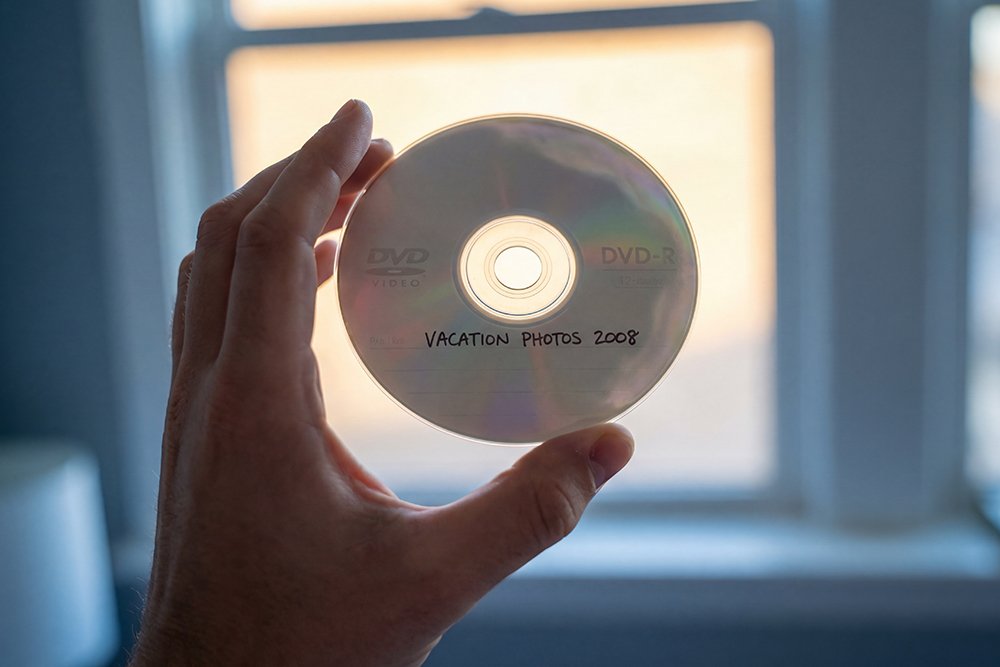
The heart of the misunderstanding—and what makes it feel like a swindle—lies in the critical difference between two types of DVDs: the commercial, factory-pressed discs used for Hollywood movies, and the blank, recordable discs (DVD-Rs) sold to consumers.
The 100-year lifespan claim was based on the theoretical stability of pressed discs. In this manufacturing process, data is physically stamped into a polycarbonate layer, creating microscopic pits and lands. This is a robust, mechanical process.
Recordable discs, however, use a completely different and far more fragile technology. They rely on an organic dye layer that is chemically altered by a laser to store data. This was a cost-effective way to bring recording technology to the masses, but it came at a steep price in terms of longevity. This crucial distinction was rarely, if ever, explained to the average consumer. [6]
The Marketing Machine
Blank media manufacturers, in a race to capture a booming market, plastered their packaging with terms like “archival quality” and made bold claims about the longevity of their products. Consumers, eager to protect their memories, had no reason to doubt them. The entire tech industry was caught up in the DVD frenzy.
Magazines, websites, and even professional transfer services promoted DVD as the ultimate archival solution. The message was clear and consistent: get your memories off of those decaying VHS tapes and onto the safe, permanent format of DVD. The irony is painful. In many cases, a well-stored VHS tape from the 1980s has outlasted a poorly made DVD-R from 2005.
The Inevitable Decay
As we have discussed in previous posts, that organic dye layer is the Achilles’ heel of the recordable DVD. It is susceptible to light, heat, and humidity, and its chemical breakdown is inevitable. The only question is how long it will take. For some poorly manufactured discs, it was only a few years. For others, the day of reckoning is arriving now, 15 to 20 years after they were burned.
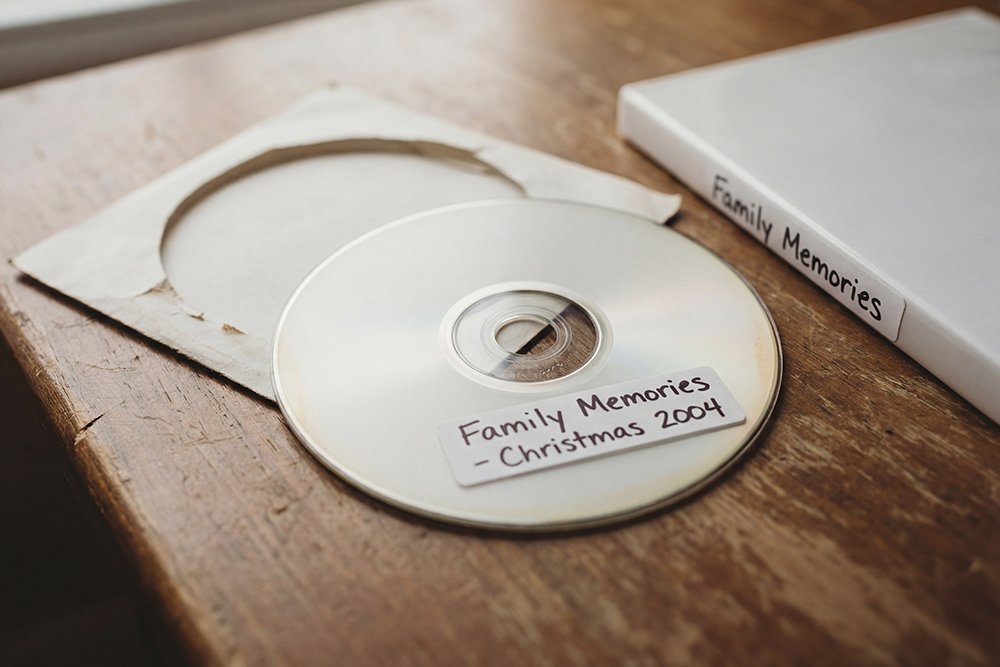
Families across the country are now discovering that their precious memories are unplayable, trapped on discs that have become nothing more than plastic coasters. The format that promised immortality has delivered obsolescence and heartbreak.
Learning from the Past
The story of the DVD is a cautionary tale. It teaches us to be wary of any single, proprietary format that claims to be a permanent solution. True preservation lies not in a physical object, but in a strategy of duplication and migration.
Today, that means creating high-quality digital files (like MP4s) and storing them in multiple locations, including the cloud. This approach ensures that your memories are not tied to the fate of any single object or company. It puts the power of preservation back in your hands.
It is time to correct the mistake of the past. Let us rescue our memories from the false promise of the DVD and give them the truly permanent home they deserve.
If you suspect your DVDs are at risk, don’t wait. Contact us at www.gillettedigitizing.com for a free consultation.