

The Ultimate Guide to Digitizing Your Family’s Media Collection
In closets, attics, and basements across the country, a priceless treasure lies waiting. It is a treasure trove of memories, captured on a dizzying array of now-obsolete media formats. From the grainy charm of 8mm film to the familiar hum of a VHS tape, these formats hold our family histories. But they are all in danger. Time is not kind to analog media. Tapes degrade, film becomes brittle, and photos fade. The only way to ensure these memories survive for future generations is to digitize them. But where do you even begin? This guide will walk you through the most common consumer media formats and explain why the time to

5 Signs Your DVDs Are Dying (And What to Do About It)
Those DVDs holding your precious family memories might seem safe in their cases, but they could be in the process of slowly and silently degrading. This process, known as disc rot, is the irreversible decay of the disc’s data layers. The good news is that there are often warning signs before a disc becomes completely unplayable. If you have home movies on burned DVDs (DVD-R/DVD+R), it is time to play detective. Here are five key signs that your DVDs are dying and what you need to do to save the memories they hold. Sign 1: The Eye Test – Visible Damage and Discoloration Your first clue can often be found

The Great DVD Swindle: How We Were Sold a False Promise of Immortality
It was a revolution. In the late 1990s, the world was introduced to the Digital Versatile Disc, or DVD, and it felt like magic. Compared to the clunky, fuzzy, and fragile VHS tape, the DVD was a marvel of modern technology. It offered crystal-clear digital picture and sound, instant chapter skipping, and, most alluringly, a promise of permanence. We were told that DVDs would last forever. The word “digital” itself seemed to imply a kind of incorruptible perfection. Marketing materials and tech articles of the era touted lifespans of 100 years or more. We were encouraged to transfer our entire lives—our weddings, our children’s birthdays, our family vacations—onto these shiny

The Hidden Danger in Your DVD Collection: Are Your Memories Fading Away?
In the early 2000s, we were all sold a beautiful promise. The age of fragile, cumbersome VHS tapes was over, and the era of the sleek, seemingly indestructible DVD had arrived. We were told they would last a lifetime, even 100 years, a perfect, permanent home for our most precious memories. It turns out, that was a dangerous myth. Today, millions of families are discovering a devastating truth: their cherished home movies, wedding videos, and family histories, once thought to be safely preserved on DVD, are silently fading away. The culprit is a phenomenon known as disc rot, a slow and irreversible chemical breakdown of the disc itself. And for

Why Your Home Movies on DVD Aren’t as Safe as You Think
Those DVDs holding your precious family memories might seem safe in their cases, but they could be in the process of slowly and silently degrading. This process, known as disc rot, is the irreversible decay of the disc’s data layers. The good news is that there are often warning signs before a disc becomes completely unplayable. If you have home movies on burned DVDs (DVD-R/DVD+R), it is time to play detective. Here are five key signs that your DVDs are dying and what you need to do to save the memories they hold. Sign 1: The Eye Test – Visible Damage and Discoloration Your first clue can often be
From DVD to Digital: The Only Way to Truly Preserve Your Family History
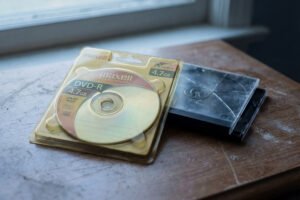
For the past two articles, we have delivered some unsettling news about the fragility of your home movies stored on DVD. We have talked about the myth of the 100-year disc and the science behind why recordable DVDs are failing. Now, it is time to talk about the solution. The good news is that it is not too late to rescue your memories. The technology exists not only to save the videos trapped on your decaying DVDs, but to preserve them in a way that is truly permanent, accessible, and shareable. The answer is to move from the physical limitations of DVD to the freedom and security of a