In the early 2000s, we were all sold a beautiful promise. The age of fragile, cumbersome VHS tapes was over, and the era of the sleek, seemingly indestructible DVD had arrived. We were told they would last a lifetime, even 100 years, a perfect, permanent home for our most precious memories. It turns out, that was a dangerous myth.
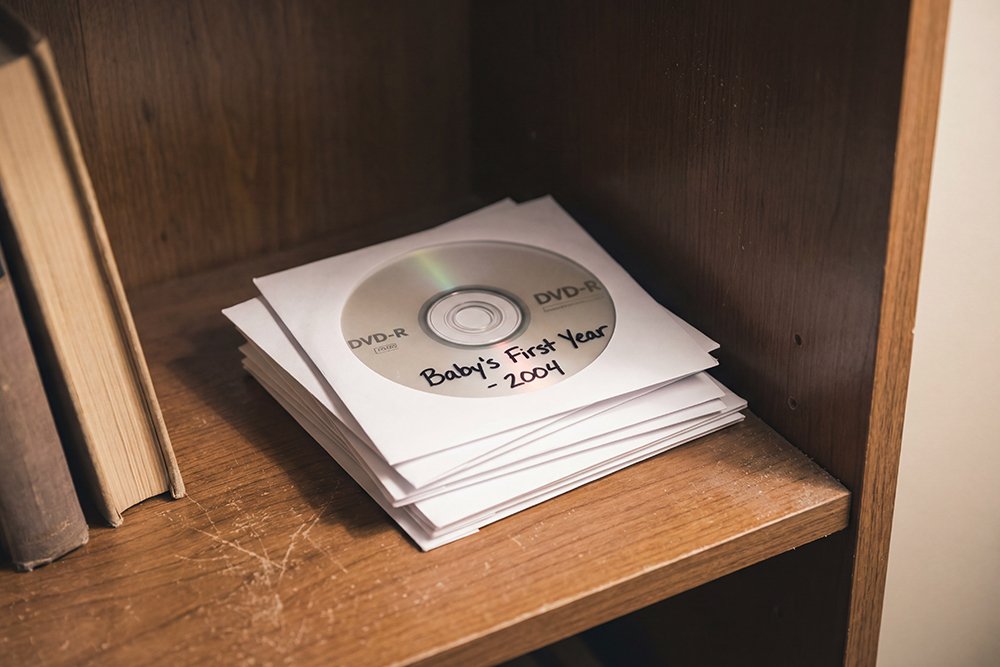
Today, millions of families are discovering a devastating truth: their cherished home movies, wedding videos, and family histories, once thought to be safely preserved on DVD, are silently fading away. The culprit is a phenomenon known as disc rot, a slow and irreversible chemical breakdown of the disc itself. And for the recordable DVDs (DVD-R/DVD+R) that most home movies were transferred to, the lifespan is not a century, but a mere 10 to 20 years, and sometimes even less. [5]
If your family’s memories are stored on DVDs burned more than a decade ago, you may be at serious risk of losing them forever.
The Myth of the 100-Year Disc
The promise of a 100-year lifespan was based on factory-pressed, commercial DVDs, like the ones you would buy a Hollywood movie on. These discs are manufactured in a completely different way from the blank, recordable DVDs that were used for home movie transfers. Recordable DVDs rely on an organic dye layer to store information, and this dye layer is the source of their vulnerability. [6]
This organic dye is highly sensitive to environmental factors. Exposure to heat, humidity, and even sunlight can accelerate its degradation. Over time, the dye breaks down, the reflective layer of the disc corrodes, and the disc becomes unreadable. This is disc rot.
How to Spot the Signs of Disc Rot
Disc rot is not always obvious. A disc that looks perfectly fine to the naked eye may already be suffering from data loss. However, there are some telltale signs you can look for:
- Visual Imperfections: Look for discoloration, often appearing as a coffee-stain-like “bronzing” on the disc. You may also see small pinholes or specks of light when you hold the disc up to a light source.
- Playback Issues: If your DVD freezes, skips, or shows pixelated glitches at the same spot every time you play it, this is a strong indicator of disc rot. The player is struggling to read a damaged section of the disc.
- Failure to Load: The most obvious sign is a disc that will no longer load or be recognized by any DVD player.
It is important to understand that by the time you see these signs, the damage is already done and is irreversible. Disc rot is a progressive disease, and it will only get worse over time.
The Urgency of Now
The window of opportunity to save these memories is closing. Every day that passes, the risk of catastrophic data loss increases. The sad irony is that the very format people trusted to preserve their memories is now the greatest threat to their existence.
If you have home movies on DVD, do not wait until it is too late. The time to act is now. In our next post, we will delve deeper into why recordable DVDs are so susceptible to failure and what you can do to rescue your memories before they disappear forever.
If you’re ready to take the next step in preserving your family’s memories, contact us today at www.gillettedigitizing.com. We can help you assess the health of your collection and create a plan to safeguard your history.