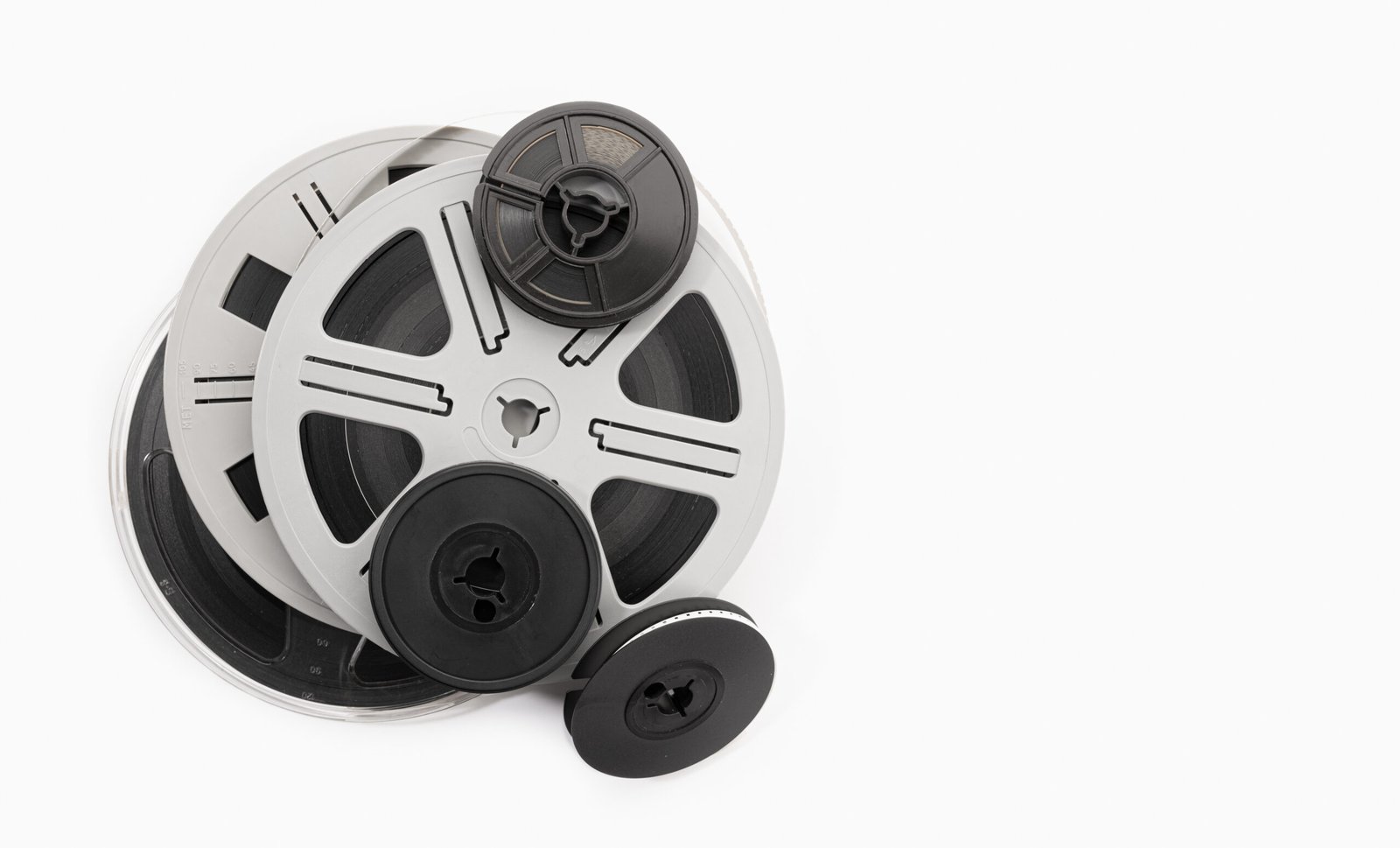
Here is what separates a local, in-person video transfer service from a mail-in operation, and why that difference matters more than most people realize until something goes wrong.
Your Tapes Only Have One Copy
This is the part that gets lost in a lot of digitizing marketing. A VHS tape or Hi8 cassette is not like a digital photo backed up in three places. It is a single physical object. If it gets lost in shipping, crushed under other packages, or misplaced in a warehouse that processes thousands of orders a month, there is no second copy to fall back on. The footage is simply gone.
Mailing your tapes means they spend days in transit, twice, in the hands of a shipping carrier that was never built to handle 40-year-old magnetic tape. Add a warehouse intake process where your box is one of hundreds arriving that day, and the odds of something going sideways are not as low as a shipping label makes it feel.
A local video transfer service removes that risk entirely. You hand your tapes to a person, in person, and you get your tapes and your digital files back the same way. Nothing travels farther than across town.
What “Local” Actually Buys You
Local is not just about convenience, although dropping off a box of tapes on your way home is nice. It changes the entire relationship you have with the person doing the work.
- You can ask questions face to face. If a tape looks damaged or a label is unclear, you talk it through with a real person instead of a support ticket.
- You see where your tapes are going. There is no unmarked warehouse in another state. You know exactly who has your family’s history and where it physically sits while it is being worked on.
- You get faster turnaround. No cross-country shipping in either direction means the whole process moves faster.
- Problems get caught immediately. If a tape has mold, mildew, or physical damage, it gets flagged and discussed with you before any further handling, not after it has already been shipped twice.
For Northern Virginia families, Gillette Digitizing means your tapes never leave the area. Drop-off and pickup happen locally, and every step of the video transfer process happens in a facility you can actually visit.
Quality Is a Process, Not a Machine
There is a difference between running a tape through a capture device and actually producing a high-quality video transfer. Consumer-grade kiosks and mail-order services are built for volume. They are optimized to process as many tapes as possible, as fast as possible, which usually means a single pass through a machine with no inspection and no correction along the way.
A quality-focused video transfer includes steps that get skipped when speed is the priority:
- Inspecting each tape before it touches a deck, since a damaged tape run through a machine can shred on contact
- Cleaning tape heads between transfers so residue from one tape does not degrade the next
- Capturing at the highest resolution the original format actually supports
- Correcting for tracking errors, dropout, and color drift that are common on tape this old
- Reviewing the output before it goes back to the customer
This is where an Emmy Award-winning production background makes a practical difference. Getting a clean, accurate image out of a decades-old tape is not just a technical checkbox. It takes an eye trained on image quality to know when a transfer actually looks right versus when it just technically played back.
The Real Cost of a Cheap Transfer
A low-cost, mail-in video transfer can look appealing on price alone, but the math changes when you factor in what is actually at stake. If a tape is damaged in shipping or run through a machine without proper care, there is no redo. You are not paying to digitize a tape, you are paying to preserve the only version of a memory that exists. A service that treats it that way, with local handling and a careful process, is worth more than a few dollars saved on a mail-in special.
Bring Your Tapes In, Take Your Memories Home
Gillette Digitizing handles video transfer for VHS, VHS-C, MiniDV, Hi8, Digital8, Betamax, DVD, and 8mm and Super 8 film, entirely in Northern Virginia. No shipping, no warehouse, no waiting to find out if your tapes made it there in one piece. You drop them off, we do the work locally with the same care a professional production background demands, and you pick up your finished digital files in person.
If you have been putting off digitizing a box of tapes because the idea of mailing them off feels risky, that instinct is worth listening to. Reach out to Gillette Digitizing for a local, in-person option instead.